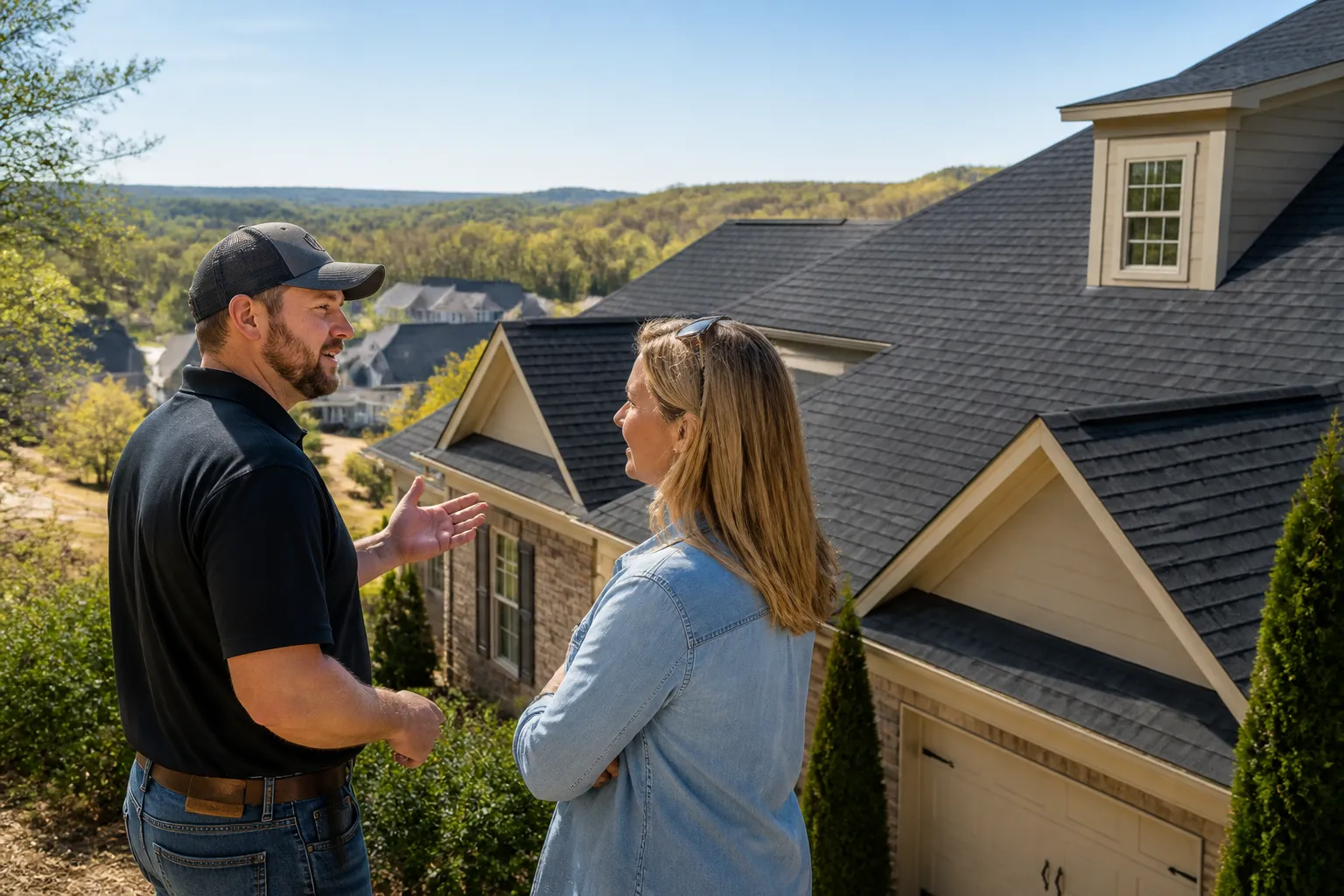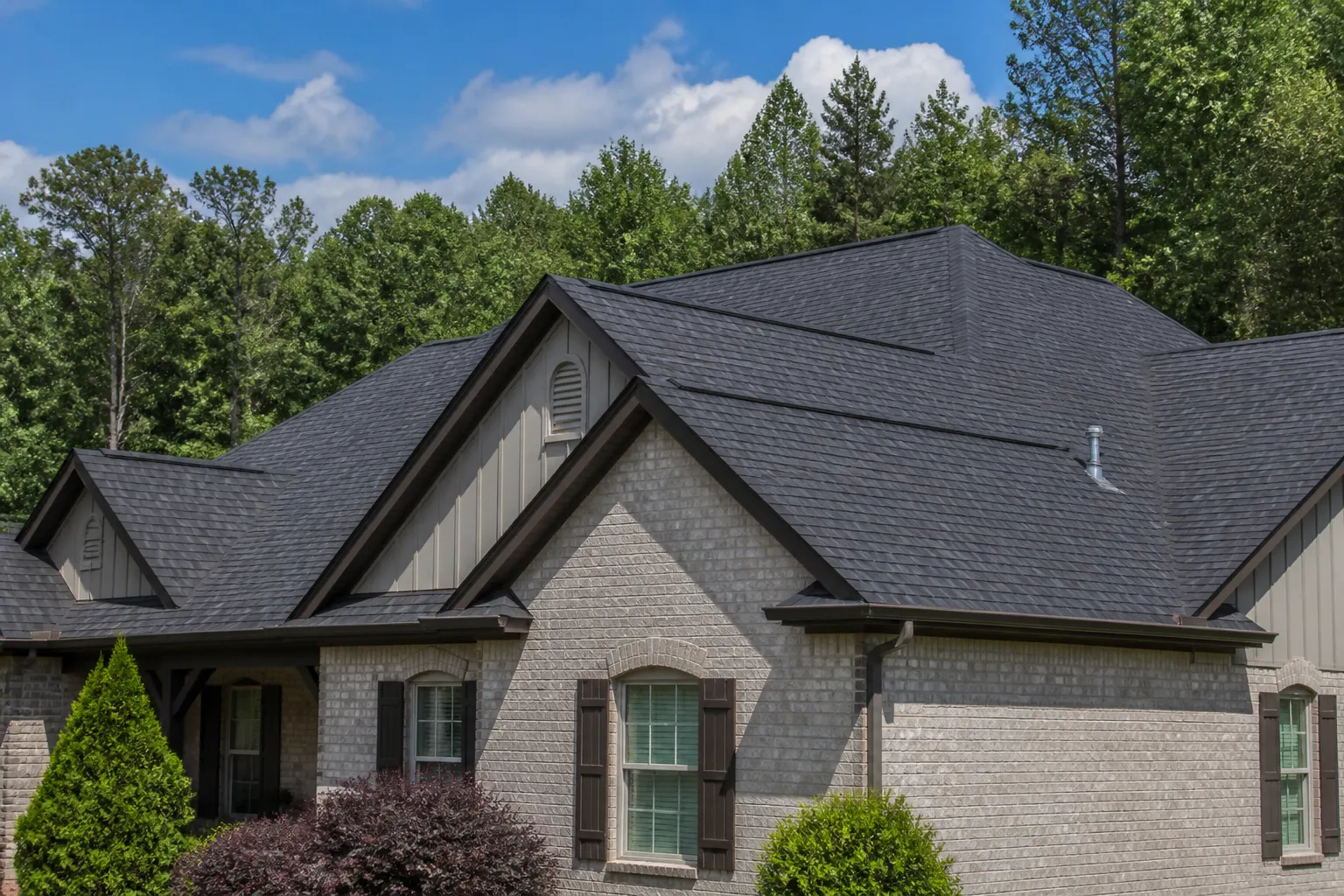
North Georgia storms can bring high wind, hail, heavy rain, and falling branches. Some roof damage is obvious, but other problems develop quietly around flashing, shingles, vents, and roof edges. Checking your property from the ground after a storm can help you catch concerns early without putting yourself at risk.
Look for changes around the home
Start with what is safe to see. Missing or displaced shingles, pieces of roofing in the yard, dented metal vents, bent gutter sections, and fallen limbs are all reasons to schedule an inspection. Water stains on ceilings, damp attic insulation, or a new musty smell can also point to a roof or ventilation issue.
Wind and hail can look different
Wind may lift shingles, loosen ridge materials, or damage flashing at transitions. Hail can leave marks on metal components and affect shingle surfaces without creating a visible hole. Heavy rain may reveal a weak point at a pipe boot, valley, chimney, or skylight. The location of an interior stain does not always match the place where water enters, so a careful inspection matters.
What to do next
Take ground-level photos and note the storm date. Move valuables away from active leaks and use a container to catch water if necessary. Avoid climbing on the roof or making permanent repairs before the condition is assessed. If an urgent temporary measure is needed to prevent further damage, document it and retain receipts.
Do not wait on recurring leaks
A small leak can affect insulation, drywall, and wood framing over time. An inspection can distinguish between minor repair needs and broader storm-related concerns. Cumming Elite Roofing serves homeowners throughout Cumming and nearby communities with practical roof assessments and clear recommendations after severe weather.