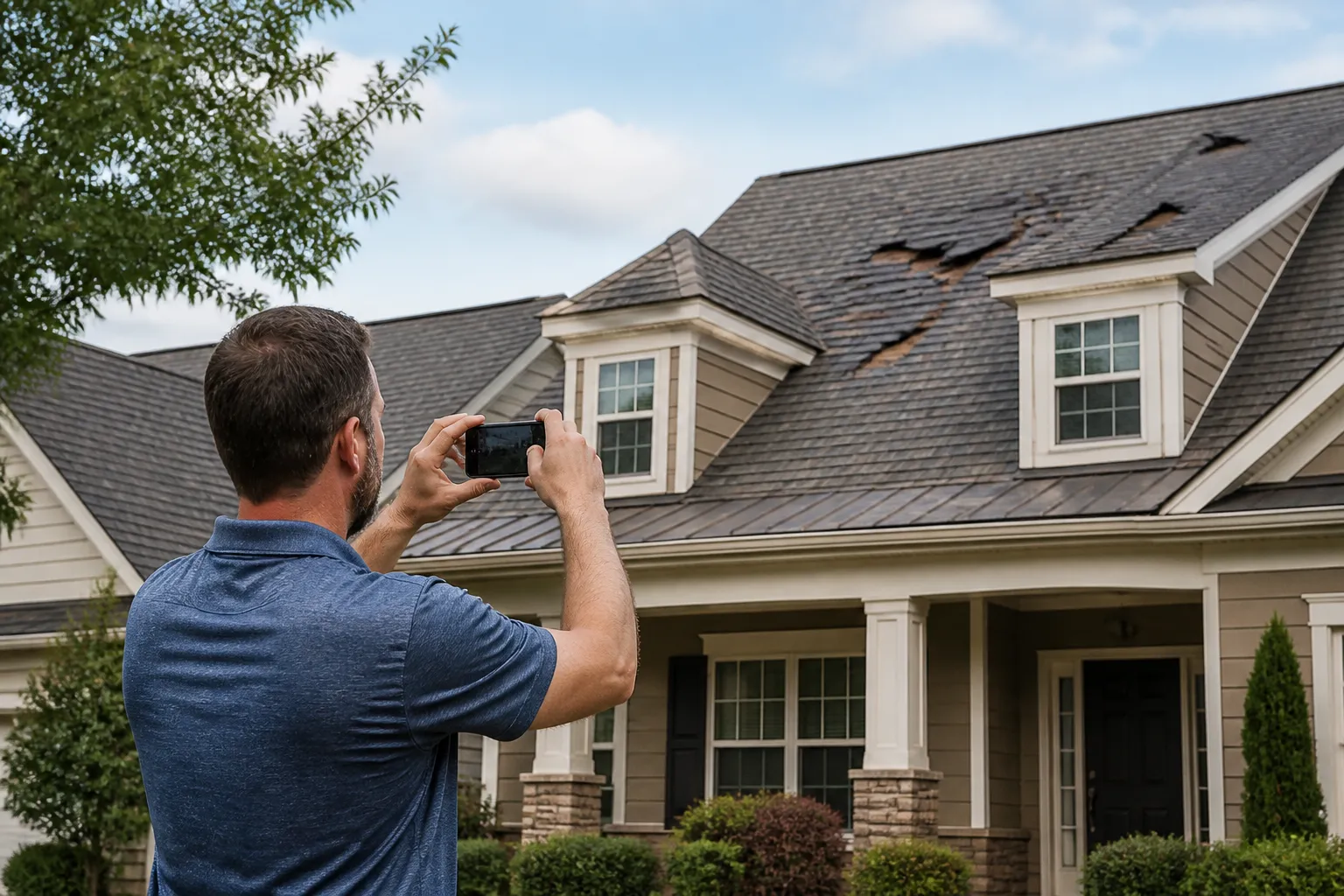
Missing shingles, new leaks, and lifted flashing are signs your roof may have taken a hit after a storm. If you are noticing stains on ceilings, granules near the gutters, or shingles scattered around the yard, it is time to take a closer look before the damage spreads.
Cumming Elite Roofing helps homeowners and businesses across Cumming, Georgia restore storm-damaged roofs with clear communication and practical repairs. We assess the roof, explain what needs attention, and carry out the repair work with an eye on long-lasting results.
Storm damage is not always obvious from the ground. Some problems show up right away, while others take time to make themselves known. After strong wind, hail, or heavy rain, look for changes that may point to roof damage.
If you see one or more of these warning signs, the next step is to have the roof assessed before a small opening becomes a larger repair.
Storms can affect different roof materials in different ways. Some damage is visible, while some affects the layers beneath the surface. The goal of a repair is not just to cover a leak, but to address the point where the roof system was compromised.
Wind can loosen shingles, pull back flashing, and expose seams along vulnerable edges. Once roofing materials lift, water has a direct path into the structure below.
Hail may bruise shingles, knock away protective granules, or dent soft metal components. Even when the roof still looks intact, hail can shorten the useful life of affected sections.
Heavy rain often finds weak spots created by wind or impact. A small opening around a vent or valley can let water reach decking, insulation, or interior ceilings.
Storm damage repair works best when the problem is traced carefully from the first visible sign to the source. At Cumming Elite Roofing, we keep the process straightforward so you know what is happening and why.
We inspect the affected areas and look for visible damage, soft spots, exposed materials, and other signs that the storm affected the roof system.
We identify where the damage started and which parts of the roof need attention, so the repair can address the source rather than only the symptom.
We explain the recommended work clearly, including whether the issue calls for shingle replacement, flashing repair, leak repair, or another targeted fix.
We complete the needed repairs with care for surrounding roofing materials, nearby seams, and areas that may have been stressed by the same storm.
We review the repaired areas to confirm the roof section is ready to keep doing its job through daily weather and future storms.
Storm damage can affect more than one part of the roof at once. Depending on what the inspection shows, we may recommend one or more of these services:
Not every storm calls for the same solution. We look at the condition of the roof as a whole and recommend the most practical path forward for your property.
Waiting too long after storm damage can make the repair more complicated. Water intrusion can affect attic insulation, interior finishes, roof decking, and nearby materials. Even a small opening can turn into a broader problem if another storm hits before the roof is addressed.
Prompt repair also helps you understand the true condition of the roof while the damage is still easy to document and isolate. That matters when you want a clear picture of what changed after the storm and what needs attention now.
Storm damage does not always show up at the exact place where water enters. That is why a careful inspection matters. We look beyond the obvious tear or missing shingle and review the surrounding components that may have been stressed by the same weather event.
Edges and eaves often take direct wind exposure, so we check for lifted materials, loose sections, and signs of water getting under the surface.
Vent pipes, skylight areas, valleys, and flashing lines are common points where storm damage can show itself first.
Water stains, damp insulation, and attic discoloration can help connect the visible roof damage to what is happening below the surface.
Storm damage does not stop at one roof type or one part of town. Cumming Elite Roofing serves property owners throughout Cumming, Georgia and nearby communities across North Georgia, including Alpharetta, Roswell, Johns Creek, Milton, Suwanee, Gainesville, Buford, Sugarhill, Flowery Branch, Dawsonville, Dacula, Braselton, and Ball Ground.
Whether the concern is a few missing shingles or broader roof damage after severe weather, we provide a focused response that is centered on the condition of the property and the repair it actually needs.
It is a good idea to look for visible signs as soon as it is safe to do so. Missing shingles, debris on the roof, or new indoor stains are all reasons to schedule a roof inspection without waiting.
Yes. Wind and hail can damage shingles, flashing, or other roof components before water reaches the inside. A roof can have hidden damage that becomes more serious over time.
Localized damage still deserves attention. A repair may be limited to a certain section, but that area should be inspected carefully so the full extent of the damage is clear.
No. Some roofs only need targeted repairs, such as replacing damaged shingles, sealing a leak point, or fixing flashing. Replacement is considered when the damage is widespread or the roof condition no longer supports piecemeal repair.
Yes. A thorough review includes shingles, flashing, vents, edges, valleys, and other roof parts that may have been affected by the same storm.
If you can do so safely, note any visible leaks, take photos of indoor stains or exterior damage, and keep clear of areas where loose materials may fall. These details can help guide the inspection.
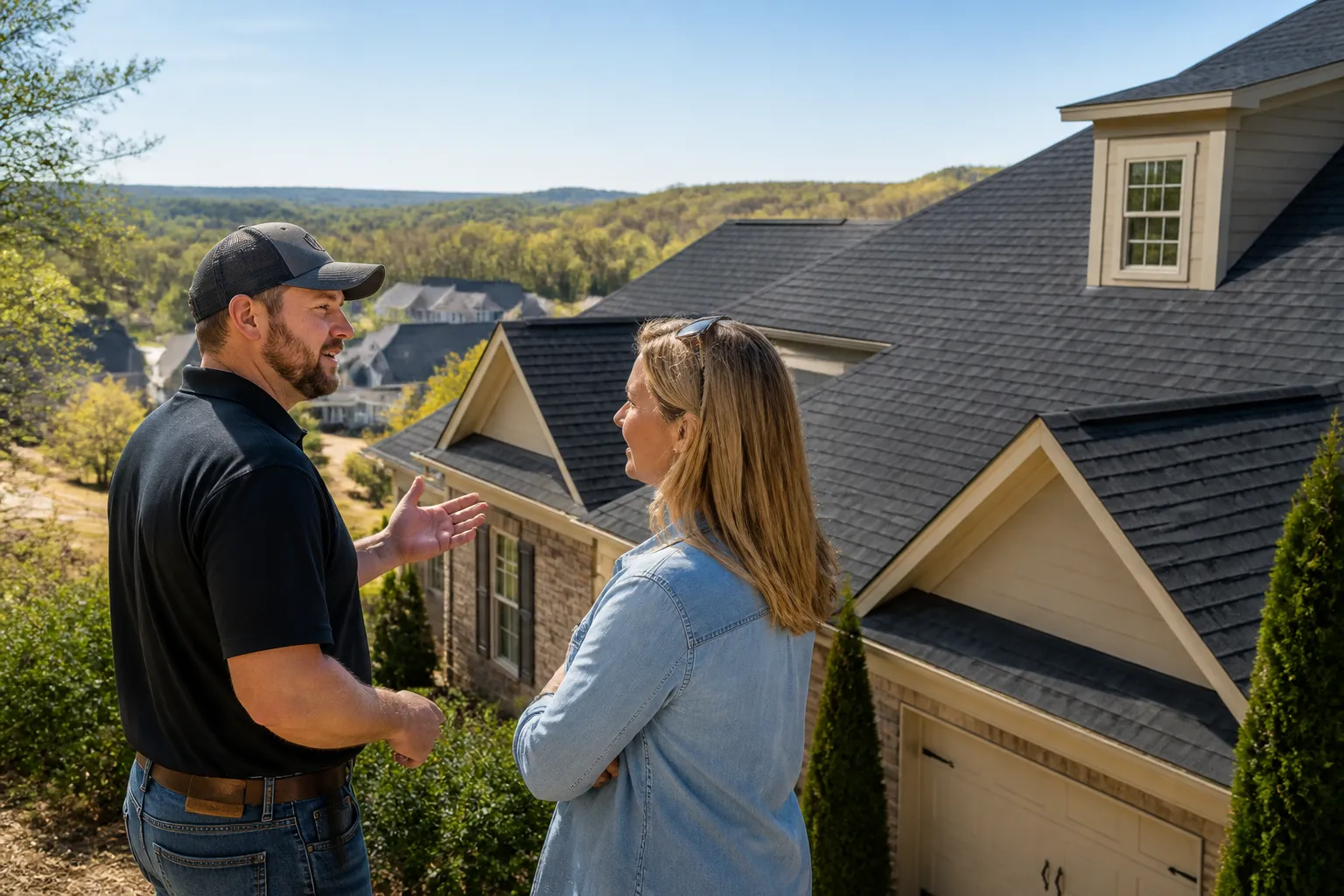
If your roof was damaged by wind, hail, or heavy rain, Cumming Elite Roofing is ready to help you sort out the next step. We work with property owners in Cumming, Georgia who need a practical answer to storm damage and a repair plan they can understand.
Call +17707585475 to discuss what you are seeing and schedule a roof evaluation. We are open Monday through Saturday from 8:00 AM to 7:00 PM.
Get Started
Share what is happening with your roof, gutters, or storm damage concerns, and we will help you understand the best next step for your property in Cumming or the surrounding area.