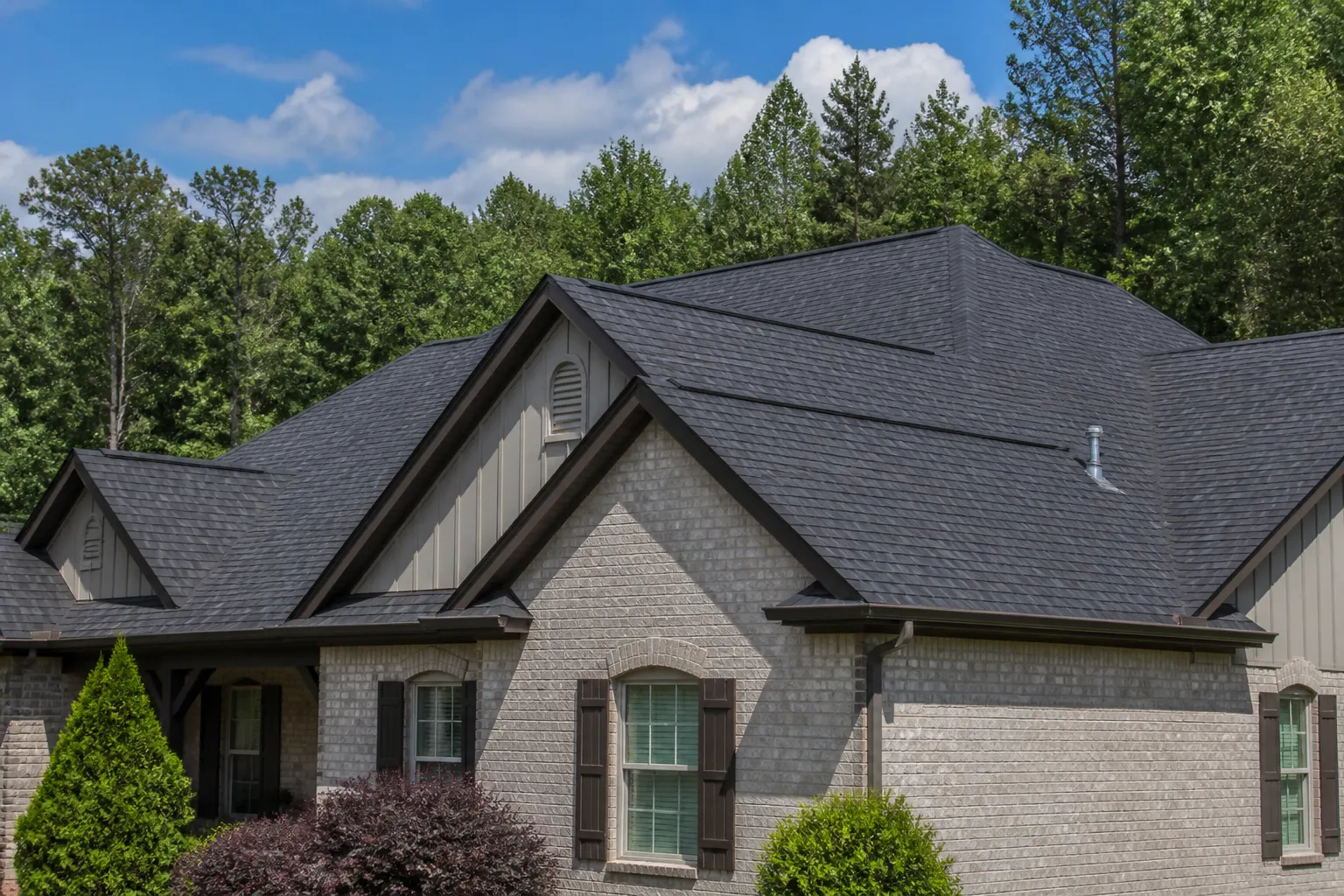
When a roof leaks or loses shingles, replacement is not always the answer. Many issues can be repaired when damage is limited and the surrounding roof is in sound condition. The best choice depends on the source of the problem, the age of the roof, and whether the issue is isolated or part of a broader pattern.
When repair may be practical
A missing shingle, damaged pipe boot, loose flashing detail, or small leak around a roof penetration may be suitable for repair. A repair can also make sense when the roof is relatively new and replacement materials can be matched. The key is identifying the cause, not only treating the stain or drip that appeared indoors.
When replacement deserves consideration
Replacement becomes more likely when shingles are worn across large areas, leaks recur in multiple places, granule loss is widespread, or the roof is near the end of its service life. Repeated repairs can become harder to match visually and may only delay a larger decision. Decking damage, poor ventilation, and storm impact can also affect the recommendation.
Questions to ask during an inspection
Ask where the problem begins, what surrounding areas look like, and what a repair would and would not solve. Request photos when appropriate. A clear assessment should separate immediate weatherproofing needs from maintenance items and long-term replacement planning. You should understand the condition of flashing, penetrations, valleys, gutters, attic ventilation, and any visible moisture damage.
Make a decision based on condition
Neither repair nor replacement is automatically the better value. A targeted repair can protect a sound roof, while a complete replacement can prevent ongoing disruptions when wear is widespread. Cumming Elite Roofing can evaluate the roof, explain the tradeoffs, and help you choose a practical next step without pressure.